

Let’s face it: not everything we read online is true. Nutrition misinformation is everywhere these days and can make it even harder to separate fact from fiction. Even when we know that intellectually, it is still incredibly easy to get swept up in popular wellness trends we see on social media or hear about from well-meaning friends. Notably, nutrition misinformation makes it tricky for people to make informed choices.
In fact, as a dietitian I spend a large portion of my day helping clients untangle the misinformation they’ve stumbled across on Google or Instagram. I am often invited into Okanagan workplaces to discuss bust nutrition myths. When everyone with an appetite has a platform, how do we actually separate food facts from fiction due to nutrition misinformation?
The secret to taking the fight out of food is learning how to critically evaluate your sources. The next time you read a viral health claim, run it through this quick checklist. Ask yourself this to spot nutrition misinformation:
- Is it promising a quick fix or a miracle cure? (Real health changes take time).
- Are they trying to sell me a product or supplement instead of simply educating me?
- What is the writer’s academic training? Are they genuinely qualified to give clinical nutrition advice?
- Do the claims sound too good to be true? > Is the information based on personal anecdotes and opinions rather than robust scientific evidence?
- Is the content missing reviews or verification by credentialed medical experts?
- Are the claims relying heavily on a single, isolated study that might be drawing the wrong conclusion?
If you answered “yes” to even a few of these questions, the source likely isn’t reliable. In short, nutrition misinformation can come from almost anywhere and should be questioned.
Nutrition is a mainstream passion, and anyone can publish a blog or a book—but that doesn’t grant them credibility. Dietitians undergo years of rigorous, evidence-based academic and clinical training, making them the gold standard for accurate nutrition info. Furthermore, dietitians work hard to clarify nutrition misinformation that clients face daily. Learn more about The Difference between a Dietitian and a Nutritionist.
If you feel like you are drowning in conflicting nutrition advice, stop guessing. Seek out a professional to get accurate, evidence-based guidance tailored specifically to your unique health, body, and performance goals. Learn What does a Dietitian do? If you are in Kelowna or the greater Okanagan area, contact our dietitian and let’s build a plan you can actually trust!
Did you know that dietitian services are often covered by extended health plans? Check with your provider for more details. Direct billing may be available.
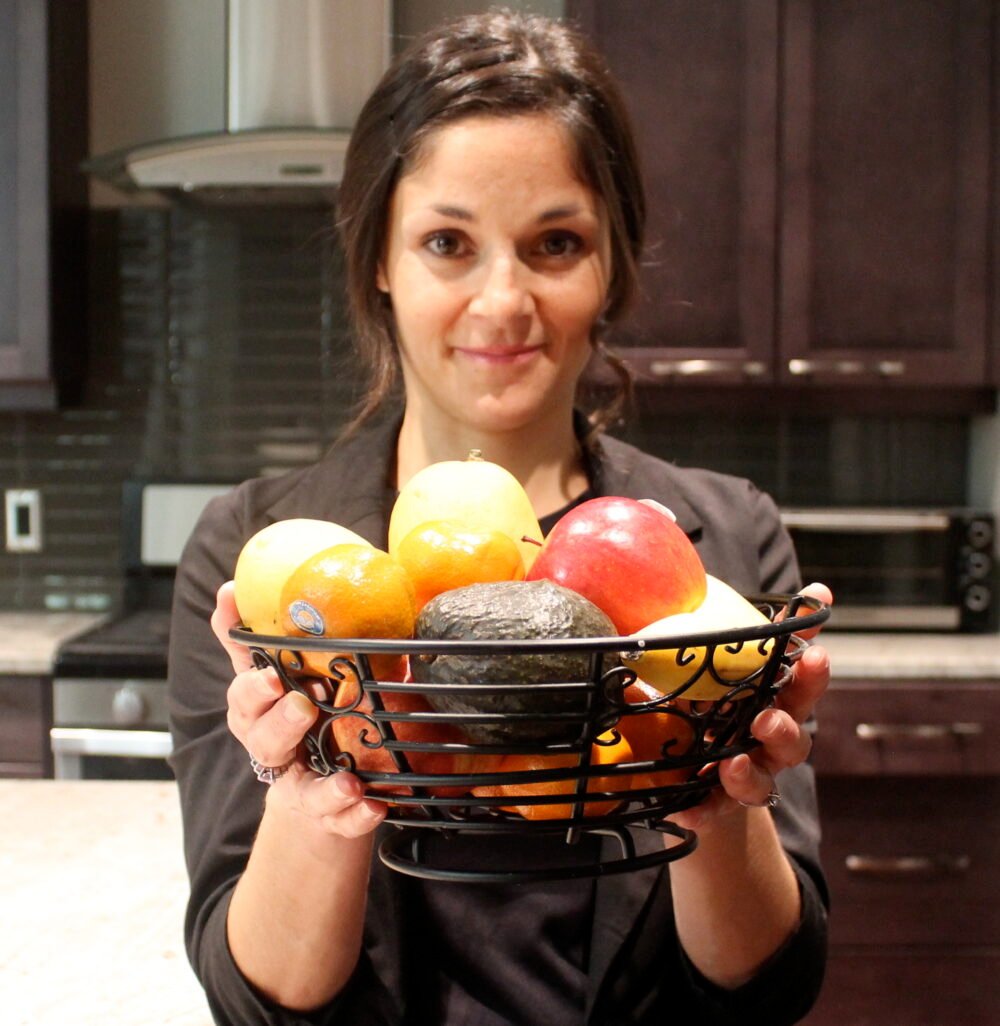 Reviewed and written by Registered Dietitian Tristaca Curley, MSc RD
