

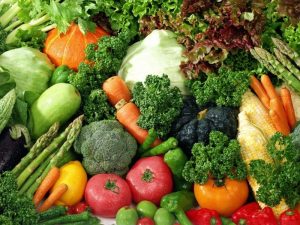
Vegan and plant-based diets have been gaining popularity over the past few years, likely due to our increasing awareness of food choices on our health and environment. Vegan diets are linked to many health benefits including lowered cholesterol and blood pressure, reduced risk of heart disease, Type 2 diabetes and cancer. However, any time major food groups are excluded, in this case meat, poultry, fish, dairy, and eggs, there is a greater risk of nutrient deficiency, unless we carefully plan our diet.
Here are some of the nutrients that are harder, but not impossible, to get on a vegan diet:
Protein
Protein needs are determined by age, gender, activity level, body composition goals, and whether or not any animal protein is included in our diet. A diet that is 100% plant-based actually requires more protein than one that includes a small amount of animal product. That is because the amino acid profile of plant proteins is considered to be of lower nutritional quality than that of animal protein. That is, we have to eat more plant proteins to be able to absorb enough of the essential amino acids that a body needs to thrive. So include foods such as beans and legumes, nuts and seeds, seitan and soy or TVP regularly, ie daily. And contrary to what social media may say, wheatgrass is NOT a good source of protein.
Vitamin D and Calcium:
These nutrients are extremely important for bone health, as they work in concert to create strong bones and maintain healthy blood calcium levels. A low calcium intake increases risks of fractures under common or everyday stresses, leading to the condition known as Osteoporosis. One of Vitamin D’s main roles in the body is increasing Calcium absorption, therefore, deficiency can actually lead to a Calcium deficiency, as well as increasing risks of several other chronic diseases. Naturally, these micronutrients are found in the highest quantities in fatty fish and dairy products. As a vegan, it is important to regularly incorporate foods such as fortified plant milks, tofu, almonds, tempeh, and kale in order to meet your needs. A supplement may also be warranted in some individuals.
Iron:
A vital nutrient in maintaining blood health, without adequate iron our blood cells are unable to function properly, resulting in fatigue, weakness, headaches, poor resistance to cold temperatures, and pale skin. Plant foods contain a type of iron referred to as non-heme iron, which is not as readily absorbed as heme iron, which is found in animal foods. Because of this, it is important to be choosing more iron rich foods such as enriched whole grain products, legumes, tofu, nuts, and seeds. Eating these foods with the accompaniment of Vitamin C will also increase iron absorption.
Vitamin B12:
This vitamin is central to many functions in the body, including creating DNA, maintaining the health of our nerves and metabolism. Deficiency can lead to lowered metabolism, fatigue, and irreversible nerve damage. Vitamin B12 is naturally only found in animal proteins, therefore, vegans are required to choose foods which have been fortified with B12. Examples of these products include fortified plant milks, meat analogues otherwise known as ‘fake meat’ products, and soy.
Omega 3:
This well-known essential fatty acid which is important for brain development and cognitive functioning, reducing inflammation in the body, and maintaining heart health. Vegans can obtain Omega 3 from sources such as rapeseed or camelina oil, walnuts, flaxseeds (and their oil), hemp and chia seeds. Supplements may also be needed for some individuals.
Taking all of these nutrients into account when planning a vegan or vegetarian diet will help to ensure you are meeting your nutrient needs, while reaping the benefits of a plant-based diet. Additional supplementation may be required. If you’d like more help planning your plant-based diet, book a session with our dietitian nutritionist.
*This blog was written in collaboration with dietetics student Amber Whittemore and reviewed by Registered Dietitian Tristaca Curley MSc RD.
